

The Supermarket Secret Weapon: How Stores Trick You Into Spending 30% More
Introduction: The Supermarket Mind Game
You walked in for bread and milk. You walked out with $75 worth of groceries you never intended to buy. If this sounds familiar, you’ve fallen victim to what retail experts call “the supermarket trance” – a carefully engineered shopping experience designed to separate you from your money.
Supermarkets are psychological battlegrounds where every square foot is optimized to influence your decisions. Through years of consumer research and behavioral science experiments, retailers have perfected techniques that can increase the average shopper’s spending by 30% or more. The frightening truth? These tricks work even when we know about them.
But there’s good news. By understanding these tactics, you can regain control of your grocery budget. Let’s pull back the curtain on the supermarket’s secret weapon – and arm you with defenses that work.
Also Read: Asia Markets Stunned as New Tariffs Shake Commodity Trade
The Architecture of Temptation: How Store Layouts Hijack Your Brain
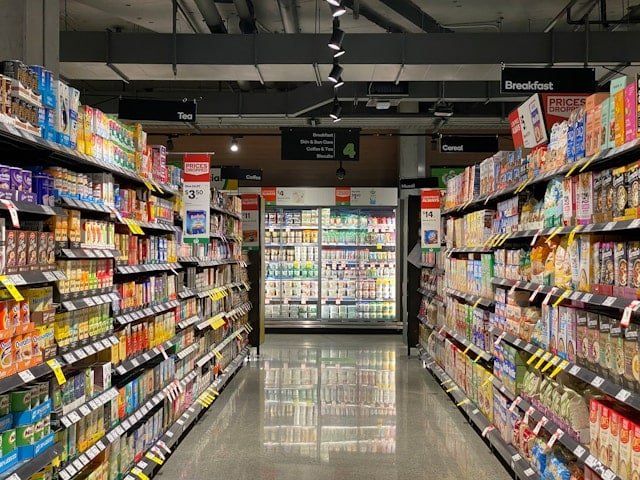
The moment you step through those automatic doors, you’re entering a carefully constructed maze of temptation. Supermarket layouts follow precise psychological principles developed through decades of research.
Fresh flowers and baked goods near the entrance aren’t just pleasant – they’re strategic. The intoxicating smell of bread triggers dopamine release, putting you in a more suggestible state. Those beautiful floral displays create what marketers call the “but first” effect – you came for essentials, but first, maybe you’ll treat yourself to something nice.
The milk and eggs conspiracy is real. Placing staples at the back forces you to navigate a gauntlet of temptations. Studies show that for every additional minute spent in-store, spending increases by $1-2. That winding path to the dairy section? It’s a revenue generator disguised as an aisle.
Even shelf height matters. Products at eye level (57-60 inches for most adults) sell significantly better. Brands pay premium slotting fees for these prime real estate positions. Meanwhile, better value store brands and generic alternatives often lurk on harder-to-see lower shelves.
The Black Magic of Pricing Psychology
Supermarkets have turned pricing into a dark art form. They know our brains don’t process numbers rationally, and they exploit every cognitive weakness.
The charm of $4.99 versus $5.00 isn’t just about one penny – it’s about how our brains process numbers. This “left-digit effect” makes us perceive $4.99 as significantly cheaper than $5, even though the difference is negligible. Some stores have taken this further with prices like $4.87 or $4.62 – odd numbers that appear more precise and therefore more trustworthy.
“Shrinkflation” is another insidious trick. That cereal box looks the same, but contains 15% less product. The price stays stable while the value shrinks. Or consider “grocery amnesia” items – products we buy regularly but don’t remember the exact cost of, making gradual increases harder to notice.
Then there are the strategic “price bombs” – a few conspicuously low-priced items (like $0.99 chips or $1.99 soda) that create an overall impression of value, while other items carry hefty markups.
The Sensory Symphony of Spending
Supermarkets don’t just sell products – they sell experiences carefully crafted to loosen your grip on your wallet. Every sensory detail is meticulously planned.
The bakery’s aroma isn’t just pleasant – it’s scientifically calibrated to trigger hunger and impulse buys. Research shows certain scents can increase snack purchases by up to 25%. Some stores even use scent machines near high-margin items.
The soundtrack isn’t random either. Slower tempos (around 60 beats per minute) subconsciously slow your pace, increasing browsing time. During peak hours, you might notice slightly faster music to keep traffic moving.
Even lighting plays a role. Warmer tones in produce sections make fruits and vegetables look fresher. Brighter lights near high-margin prepared foods draw your eye. Some stores use spotlights to highlight certain products.
The Checkout Gauntlet: Last-Chance Temptation
You’ve navigated the store, resisted dozens of temptations, and finally reached the checkout. Surely the psychological warfare ends here? Not a chance.
The checkout lane is a final assault on your willpower. Those candy bars and magazines aren’t there for convenience – they’re there because fatigue and decision exhaustion make you vulnerable. Studies show up to 30% of supermarket profits come from these impulse buys.
Even the conveyor belt works against you. Its constant motion creates subtle time pressure, making you less likely to reconsider items as they move toward the scanner. Some stores have even experimented with slower belts during peak hours to allow more impulse grabs.
5 Powerful Ways to Outsmart Supermarket Psychology
Now that you understand the tricks, here’s how to defend yourself:
1. The List and the Lock
Always shop with a list – but take it further by mentally “locking” your cart after grabbing essentials. Treat any unplanned item as requiring special justification.
2. Perimeter First Strategy
Fresh produce, dairy, and meats are usually along the store’s edges. Complete this loop first before venturing into the processed food aisles.
3. The 10-Minute Rule
When tempted by an unplanned item, give yourself 10 minutes before deciding. Often, the urge passes as you continue shopping.
4. Shelf Awareness
Train yourself to look up and down – better deals are often above or below eye level. Compare unit prices (price per ounce/gram) for true value.
5. Strategic Timing
Shop after eating (never hungry) and during off-peak hours when you can move through the store more deliberately.
Conclusion: Becoming a Savvy Supermarket Survivor
Supermarkets will always look for new ways to separate you from your money, but now you’re armed with knowledge. The real power lies in awareness. Next time you shop, notice the tricks at work. Observe how your behavior changes in different sections. With practice, you’ll develop what consumer psychologists call “defensive shopping” skills.
Remember: Every dollar saved from psychological traps is a dollar you choose how to spend. That’s the true meaning of retail freedom.